US, Iran Trade Blows as Trump Insists Ceasefire Remains Intact
theoversightnews
US, Iran Trade Blows as Trump Insists Ceasefire Remains Intact
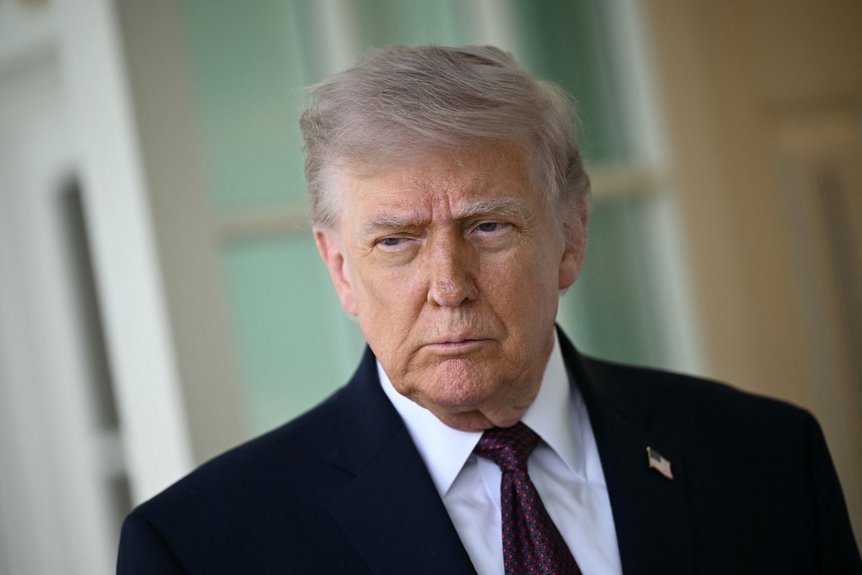
Tensions between the United States and Iran escalated again after both countries exchanged fire in the Strait of Hormuz, despite US President Donald Trump insisting that the ceasefire between the two sides remains in effect.
The latest confrontation began after Iran allegedly launched attacks targeting three American destroyers in the strategic waterway, heightening fears that the fragile truce could collapse.
In response, the US military said it carried out strikes on Iranian military targets. Tehran, however, accused Washington of initiating the confrontation by attacking an oil tanker and another vessel before Iranian forces retaliated.
The renewed violence threatens the ceasefire that took effect on April 8, ending weeks of US-Israeli military operations against Iran and retaliatory strikes across the Middle East.
The United Arab Emirates also confirmed on Friday that its air defence systems were responding to missile and drone attacks launched from Iran.
Speaking in Washington on Thursday, Trump maintained that the ceasefire was still active despite the clashes.
“Yeah, it is. They trifled with us today. We blew them away. They trifled. I call that a trifle,” the US president said.
The US Central Command (CENTCOM) stated on X that Iranian forces launched multiple missiles, drones, and small boats at the American warships. According to the statement, none of the vessels were hit, as US forces intercepted the incoming threats before targeting Iranian military facilities believed to be responsible for the attacks.
CENTCOM added that while the United States does not seek further escalation, it remains prepared to defend American personnel and interests.
Iran’s central military command, however, insisted that Tehran’s actions were purely retaliatory, accusing the United States of violating the ceasefire first.
Despite the latest confrontation, Trump continued to express optimism about reaching a broader agreement with Iran, while simultaneously warning of tougher military action if negotiations fail.
In a post on Truth Social, he warned that the US would respond “a lot harder, and a lot more violently” if Iran failed to quickly agree to a deal.
Iran’s Foreign Ministry spokesman, Esmaeil Baqaei, said Tehran would communicate its official position to mediator Pakistan after completing internal consultations.
Before the latest exchanges, Pakistani Prime Minister Shehbaz Sharif had expressed hope that the ceasefire could evolve into a lasting agreement.
However, many inside Iran remain sceptical. A Tehran-based photographer identified as Shervin questioned whether either side was genuinely committed to peace, suggesting the continued military build-up around Iran contradicted claims of progress.
The broader regional tensions are also affecting Lebanon, where a separate truce has come under pressure following an Israeli strike in southern Beirut that reportedly killed a Hezbollah commander.
A US State Department official confirmed that new talks involving Israel and Lebanon are scheduled for May 14 and 15. The discussions will mark the third round of negotiations in recent months between the two long-time adversaries.
US Secretary of State Marco Rubio recently said a peace agreement between Israel and Lebanon remains achievable, though he identified Hezbollah as the major obstacle.
Meanwhile, the ongoing conflict has severely disrupted maritime activity in the Gulf region. Since the start of hostilities following US-Israeli attacks on February 28, Iran has largely restricted access through the Strait of Hormuz.
According to Arsenio Dominguez, Secretary-General of the UN’s International Maritime Organization, about 1,500 ships and 20,000 crew members remain stranded in the region as a result of the crisis.
Trump had earlier ordered a short-lived naval operation aimed at reopening the strait for commercial traffic but suspended it hours later, citing progress in negotiations with Tehran.
The US president also disclosed that he recently held what he described as a productive conversation with European Commission President Ursula von der Leyen, saying both sides agreed that Iran must never be allowed to acquire nuclear weapons.