Nigeria, Ghana and Neighbours Push Toward Unified West African Power Grid
theoversightnews
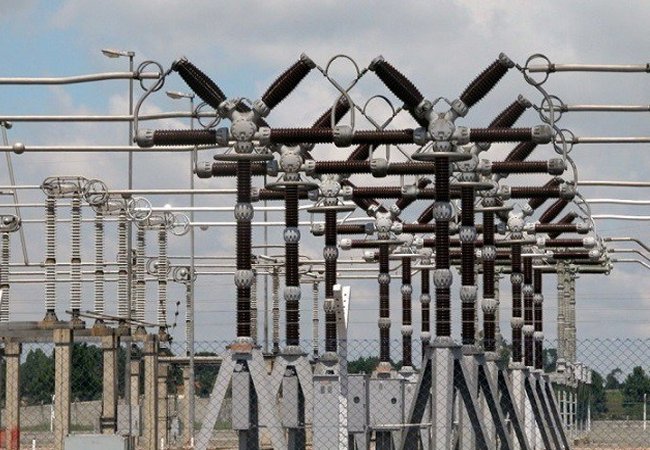
Nigeria, Ghana and Neighbours Push Toward Unified West African Power Grid
Nigeria and several West African nations, including Ghana, are advancing plans to establish a fully synchronised regional electricity grid as technical operators intensify coordination ahead of a major integration milestone set for June 2026.
The development followed a high-level working visit by the West African Power Pool (WAPP) to the National Control Centre in Osogbo, where both sides reviewed system studies, operational procedures, and readiness for deeper grid integration across the sub-region.
In a statement released on Wednesday by the Nigerian Independent System Operator (NISO), the engagement was described as part of preparations for the second phase of regional synchronisation, aimed at strengthening real-time interconnection among national electricity grids in West Africa.
According to the statement, the next phase represents a shift away from limited bilateral electricity exchanges toward a more unified and coordinated regional power system.
“The Nigerian Independent System Operator and the West African Power Pool have advanced technical and operational coordination ahead of the second phase of regional grid synchronisation, following a high-level working visit to the National Control Centre, Osogbo,” the statement read.
It added that discussions focused on technical assessments, system studies, and operational frameworks required to meet the June 2026 target for full synchronisation.
Speaking during the engagement, NISO’s Executive Director of System Operation, Nafisatu Asabe Ali, said the success of the initiative would depend on strict adherence to common technical standards across participating countries.
She noted that operating a synchronised grid requires unified rules covering frequency control, voltage stability, reserve capacity, and contingency management across interconnected systems.
Ali explained that the National Control Centre in Osogbo plays a central role in managing Nigeria’s electricity grid while also supporting regional coordination.
The centre, she said, handles real-time monitoring, system dispatch, outage scheduling, and grid security through its SCADA/EMS infrastructure.
She added that maintaining stable frequency levels and coordinating system disturbances remain key responsibilities of the control centre.
Ali also stressed that successful integration would require harmonising grid codes, protection systems, and operational procedures across West African countries, alongside improved communication networks for real-time data sharing.
She highlighted Nigeria’s strategic position within the regional power network, pointing to key infrastructure such as the Ikeja West–Sakété 330kV transmission line linking Nigeria and the Benin Republic.
According to her, Nigeria’s grid is increasingly serving as a stabilising hub within the West African Power Pool due to its generation capacity and transmission strength.
“With the operationalisation of NISO under the ECOWAS-aligned electricity market framework, the NCC has assumed expanded responsibilities, including real-time system security assessment, ancillary services coordination, and cross-border energy accounting,” she said.
The statement further disclosed that NISO is currently upgrading its grid systems, including a modernised SCADA/EMS platform designed to improve monitoring, response times, and operational efficiency.
It also noted ongoing construction of a new National Control Centre facility to enhance system resilience and operational capacity.
Ahead of the June 2026 synchronisation exercise, NISO said it has already recorded progress in simulation exercises, stability assessments, and trial interconnection tests with neighbouring countries to evaluate system performance under integrated conditions.
The Secretary-General of the West African Power Pool, Abdoulaye Diaw, who led the visiting delegation, emphasised the need for strict technical discipline and compliance with regional standards to ensure smooth integration.
“There is a need for sustained technical discipline and compliance with regional operational standards to ensure seamless grid synchronisation,” he said.
Diaw commended Nigeria’s efforts in strengthening its system operations and called for continued investment in infrastructure, training, and coordination mechanisms across the region.
During the visit, officials also toured the Lagos Operations Regional Office and participated in technical briefings on system readiness and coordination frameworks.
The planned regional grid synchronisation is expected to significantly improve cross-border electricity trade, enhance system stability, and boost energy efficiency across West Africa.
In November 2025, NISO and WAPP-ICC had already conducted a successful synchronisation test involving Nigeria’s grid and parts of neighbouring countries, marking an important step toward full regional integration.