Beyond Awareness: Rethinking Autism in Nigeria
theoversightnews
Beyond Awareness: Rethinking Autism in Nigeria
Every April 2, the world turns blue in recognition of World Autism Awareness Day. Social media campaigns trend, institutions release statements, and global organisations share statistics aimed at promoting understanding and acceptance.
But in Nigeria, an important question remains: what does awareness truly mean?
Is it limited to annual hashtags and public displays, or does it reflect a deeper shift in how society understands and supports individuals on the spectrum?
For many Nigerians, Autism Spectrum Disorder is still widely misunderstood. In several communities, it is often misinterpreted as a spiritual problem, a curse, or the result of poor parenting. These misconceptions, deeply rooted in cultural and religious beliefs, continue to shape how families respond to diagnosis.
In everyday conversations, it is not uncommon to hear phrases like “the child will talk when they are ready,” even when clear developmental delays are present. Such responses often combine hope with denial and highlight a broader lack of access to accurate information and early intervention.
The stigma surrounding autism also carries serious social consequences. Some families experience isolation, while others face internal strain, with cases of abandonment not uncommon. In a society where reputation and social perception are highly valued, developmental disorders are often hidden rather than addressed.
The situation is even more challenging in rural areas, where access to healthcare professionals and diagnostic services is limited. Early diagnosis—critical for effective intervention—is frequently delayed or missed entirely. As a result, many children are labelled as “stubborn” or “difficult,” labels that can follow them into adulthood and shape their opportunities and self-worth.
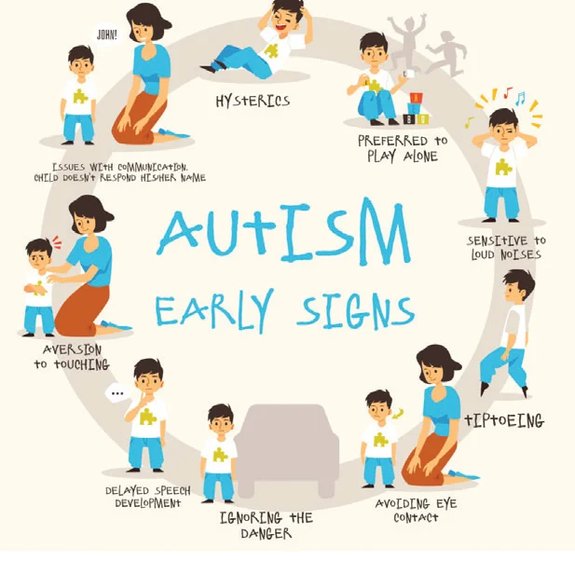
True awareness must go beyond simply knowing that autism exists. It requires understanding that it is not a spiritual affliction, but a neurodevelopmental condition. It involves recognising that behaviours such as avoiding eye contact or experiencing public meltdowns are not acts of defiance, but responses to sensory and cognitive differences.
Equally important is the language used in discussing autism. Words influence perception, and perception shapes behaviour. When autism is framed negatively, it reinforces stigma. When discussed with empathy and accuracy, it opens the door to acceptance and inclusion.
Addressing these challenges requires deliberate action. There is a need for government-backed policies that make therapies—such as speech, behavioural, and occupational therapy—accessible and affordable. At present, many families bear the financial burden alone, making consistent care unattainable for a large segment of the population.
Education systems must also evolve. Schools should be equipped to accommodate children with diverse learning needs, and teachers must be trained to support inclusive classrooms rather than exclude or stigmatise affected students.
Beyond institutional reform, community-based awareness is essential. Public education campaigns must be localised, translated into indigenous languages, and delivered through trusted channels such as religious institutions, traditional leaders, and grassroots organisations. Radio programmes, town hall meetings, and community outreach initiatives can play a vital role in dispelling myths and promoting understanding.
Amid these challenges, there are individuals and organisations making meaningful impact. Therapists, caregivers, and advocacy groups continue to work tirelessly, often with limited resources, to support children and their families. Their efforts, though not always visible, are gradually reshaping narratives and creating pathways for acceptance.
Parents, in particular, remain at the centre of this journey. Many navigate emotional, financial, and social pressures daily, yet continue to advocate for their children’s well-being. Their resilience reflects a profound commitment that often goes unrecognised.
As Nigeria reflects on World Autism Awareness Day, the focus must shift from awareness to action. A diagnosis should not lead to stigma, but to support. Healthcare, education, and social systems must work together to create an environment where individuals on the spectrum can thrive.
Ultimately, building an inclusive society requires a collective effort. It demands a willingness to challenge long-held beliefs, embrace accurate knowledge, and prioritise empathy.
Autism is not a limitation of human value—it is a different way of experiencing the world. And that difference deserves understanding, respect, and acceptance.